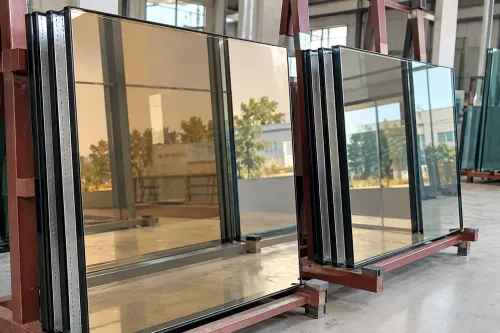
Selecting the right glass for a construction project often comes down to understanding the specific benefits of Toughened Glass and Laminated Glass. Both are widely used across residential, commercial, and institutional projects in Chhattisgarh and Odisha, but they serve different purposes depending on safety, security, and performance requirements.
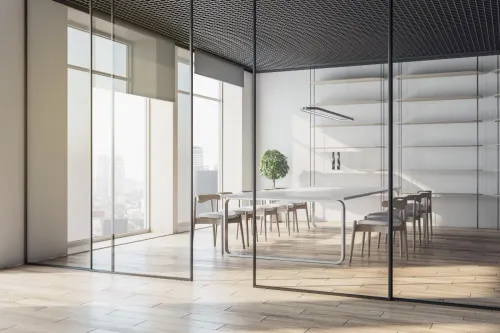
Toughened glass is manufactured through a controlled heating and rapid cooling process that makes it significantly stronger than ordinary glass. It is designed to withstand higher impact and thermal stress, making it a preferred choice for doors, partitions, facades, railings, and other applications where durability is important. If broken, it shatters into small blunt fragments, helping reduce the risk of serious injuries.
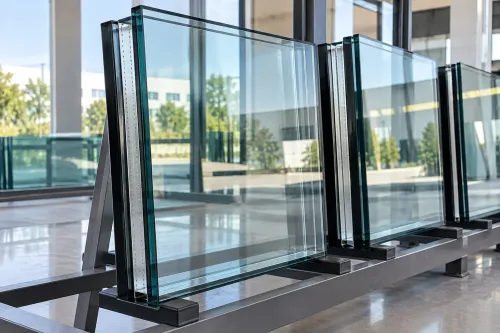
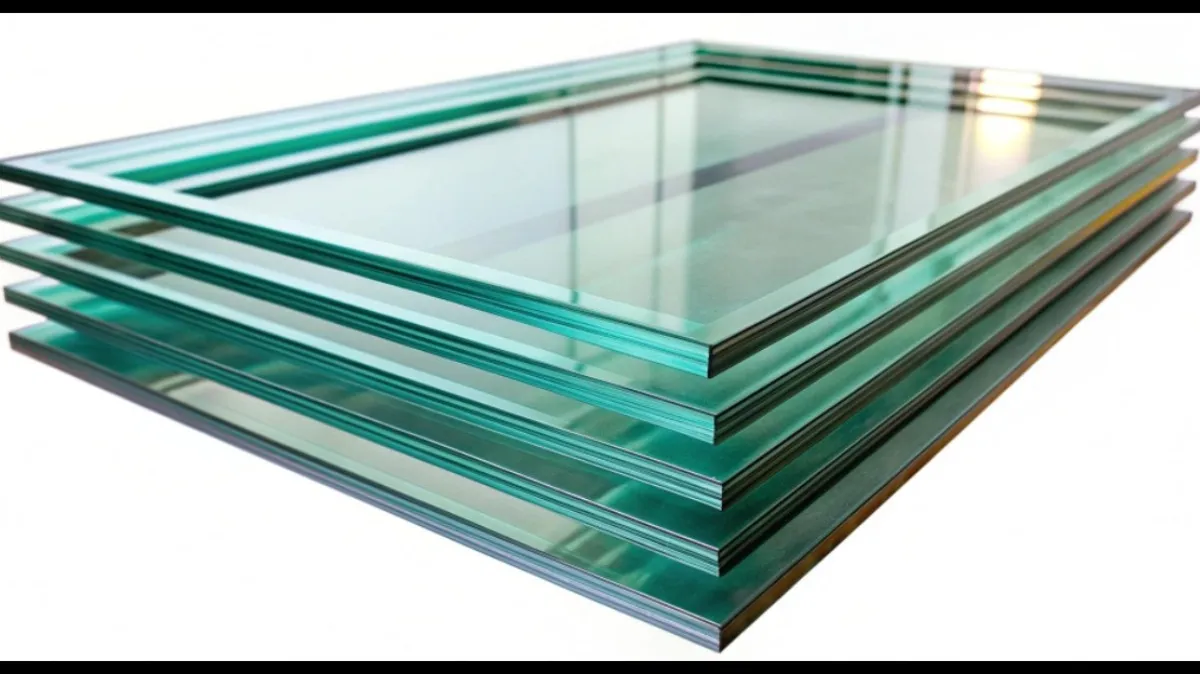
Laminated glass is produced by bonding multiple layers of glass with an interlayer such as PVB or EVA. This interlayer keeps the glass pieces together even when the panel cracks or breaks. Because of this feature, laminated glass is often selected for locations where safety, security, and sound reduction are priorities. It is commonly used in skylights, storefronts, overhead glazing, educational institutions, healthcare facilities, and government projects.
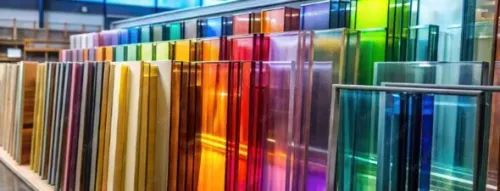
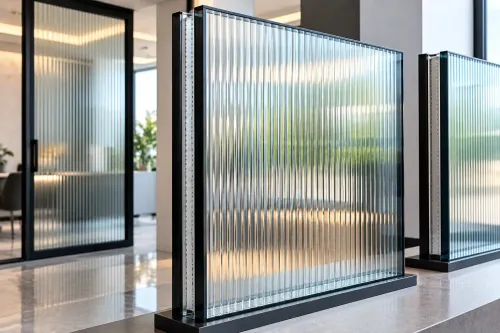
The choice between the two depends on the intended application. Toughened glass is ideal when strength and resistance to physical stress are the primary requirements, while laminated glass is better suited for projects that demand additional protection, security, and noise control. Many modern buildings across Chhattisgarh and Odisha now use toughened laminated glass, which combines the strength of tempered glass with the safety advantages of laminated construction.
Jivan Industries supports builders, architects, and developers with advanced glass processing solutions that meet diverse project requirements. Understanding the differences between these two glass types can help ensure that the selected material delivers the right balance of safety, performance, and long-term value.
Keywords