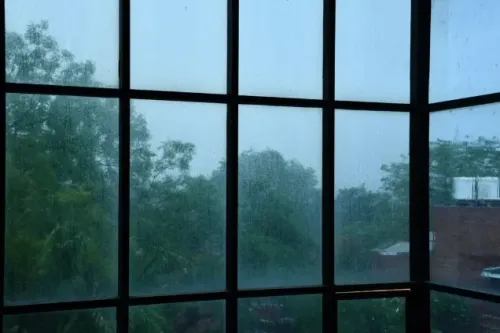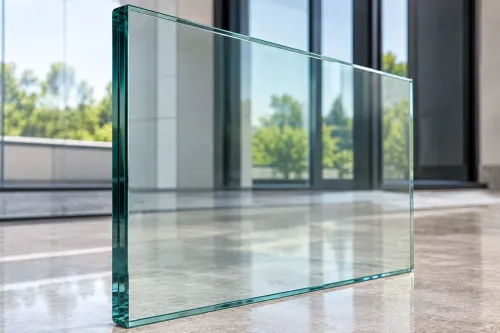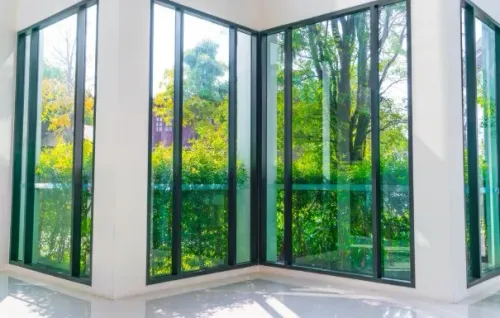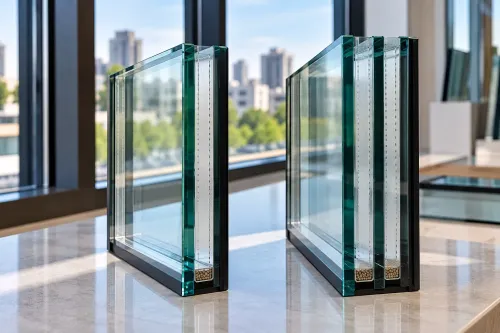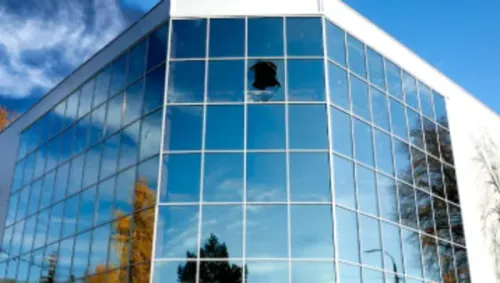
Commercial DGU facades deteriorate through neglected drainage, abrasive cleaning, salt and dust deposits, failed seals, and poorly planned alterations—not through glass exposure alone. A practical care programme lets you inspect each unit, clean it without damaging coatings or seals, distinguish condensation from failure, and specify the right corrective work for local weather conditions.
Key takeaways
- Inspect joints, gaskets, drainage paths, glass, and sealant on a fixed schedule.
- Use clean water, pH-neutral detergent, and soft tools on coated DGU glass.
- Condensation between panes confirms an insulating-glass seal failure.
- Check monsoon water, dust, heat, salt, and pollution before choosing repairs.
Build a maintenance calendar that catches facade defects early
For dgu care for commercial buildings, use a fixed calendar rather than waiting for leaks, fogging, or cracked panes to appear.
- Daily: Walk accessible elevations after rain and strong winds. Look for cracked glass, displaced frames, blocked weep holes, new stains, and condensation that remains between panes. Photograph anything abnormal.
- Monthly: Clean the glass and frame drainage paths with compatible water, a neutral-pH detergent, and soft tools. Remove dust, mortar, insects, paint, and sealant debris without enlarging openings. Never use abrasive pads, metal scrapers, alkaline cleaners, or pressure-wash seals.
- Quarterly: Inspect every elevation and grid location for edge damage, sealant gaps, frame movement, and new shading. Confirm that banners, signs, stickers, blinds, and nearby growth have not created partial shading. Do not hang loads, drill, or screw into glazing or pressure plates without approval from the original facade designer.
- Annually: Arrange a specialist review of the facade and update the unit register. Record each unit’s glass thickness, cavity width, coating position, spacer, sealant, drainage condition, and observed defects before ordering replacements.
Link every defect to its elevation, grid location, date, weather, photograph, suspected cause, and corrective action. Trends can reveal blocked drainage or installation failures instead of treating each broken pane as an isolated accident.
During facade work, keep welding sparks, grinding, flame, and uncontrolled hot air away from the glass. Protect panes from cement splash without applying opaque coverings that create uneven solar heating. Retrofits that alter shading or solar absorption need glass-supplier or facade-engineer approval.
Clean DGU glass without damaging coatings, seals, or drainage
Use clean, lukewarm water and a neutral-pH detergent for commercial DGU glass. Wash from the top down with a soft microfiber cloth, sponge, or non-abrasive brush; dry each pane with a clean squeegee before mineral spots form.
Test the cleaning solution on a small edge area first, especially where a low-E or solar-control coating is exposed.
Never scrub dry dust, use abrasive pads, metal blades, alkaline cleaners, or unapproved solvents. Do not pressure-wash seals, gaskets, pressure plates, or joints. High-pressure water can force moisture past the weather seal and leave the real leak hidden.
Treat common stains in this order:
- Dust, mud, insects, and bird droppings: soak with clean water before wiping; dragging dry grit across the pane can scratch the coating.
- Hard-water marks: use a manufacturer-approved glass descaler, then rinse thoroughly with low-mineral or deionised water.
- Cement or mortar: keep the deposit wet and lift it with a plastic scraper; call a facade specialist if it has hardened.
- Paint or sealant: do not pick with a blade; identify the product and use only a coating-compatible remover.
Clear weep holes and drainage paths with a soft brush, removing debris without enlarging the designed openings. Keeping water away from the insulating-glass edge supports double glazing unit care and prevents blocked drainage from undermining DGU facade maintenance.
Read condensation correctly and confirm DGU seal failure
Moisture on the room-side glass usually reflects indoor humidity meeting a cold surface, not a failed DGU. Moisture on the outdoor face reflects weather conditions; moisture trapped between panes points to a failed factory seal.
| Location | What it means | What to check |
|---|---|---|
| Room side | Indoor air reached its dew point | Indoor humidity, ventilation, air-conditioning, blinds, glass-edge temperature and thermal bridges |
| Outdoor side | Exterior air is warmer and more humid than the glass surface | Night-time cooling, shade, clear skies and recent rain |
| Between panes | The sealed cavity has lost integrity | Persistent fogging, droplets, trapped dirt, edge whitening or spacer movement |
Reduce indoor moisture sources and restore designed ventilation or dehumidification before ordering replacement glass. Keep blinds and curtains clear of the pane so air can circulate, and investigate cold mullions, slab edges or other thermal bridges that chill the glass edge.
A DGU is a factory-sealed assembly; you cannot open and clean its cavity on site. If fogging remains after the weather and indoor conditions change, record the elevation, grid location, date, temperature, humidity and photographs, then arrange a sealed-unit assessment. Drilling, injecting desiccant or resealing the cavity at the building is not a durable repair.
Include the finding in your dgu facade maintenance log. Water at the interior sill still requires separate checks of gaskets, perimeter sealant, pressure plates, mullion joints, flashings and blocked drainage, because rain leakage does not prove insulating-glass failure.
Adapt facade care to monsoon, salt, dust, heat, and pollution
Coastal Odisha needs frequent salt removal and post-cyclone checks; inland Chhattisgarh needs tighter control of dust, cement residue, fly ash, industrial particulate, and heat exposure. The same DGU schedule therefore needs different inspection priorities.
| Region | Main exposure | Care change | Inspect after |
|---|---|---|---|
| Coastal Odisha | Salt-laden air, heavy rain, cyclonic wind, wind-borne debris | Rinse glass, aluminium, fasteners, and stainless-steel fittings with fresh water more frequently. Check lower facade zones, corners, shading devices, and exposed hardware; never wipe dry salt deposits. | Cyclones, severe rain, or debris impact |
| Inland Chhattisgarh | Dust, construction residue, fly ash, industrial pollution, high heat | Remove deposits before they harden, clear drainage routes, and check for thermal-stress cracks near shaded and sunlit areas. | Dust storms, nearby construction, or impact |
For commercial glazing care odisha teams, drainage is a priority after every heavy-rain period. Remove insects, dust, mortar, paint, and sealant debris from frame rebates, pressure-equalisation paths, and weep holes without enlarging the designed openings; trapped water accelerates edge-seal deterioration, staining, corrosion, and leakage.
Do not drill, screw, hang loads, or attach equipment to glazing or pressure plates without facade-designer approval. Keep welding sparks, grinding, flame, and uncontrolled hot air away from installed DGU units; protect glass from cement splash without opaque coverings that create prolonged uneven heating.
After severe weather, record the elevation, grid location, date, weather, photograph, suspected cause, and corrective action for each defect. Check shifted pressure plates, displaced gaskets, failed perimeter sealant, new water marks, cracked corners, glass-to-frame contact, and misaligned doors or vents.
Inspect the whole facade before repairing or replacing a DGU
A leak or fogged pane is not enough evidence to order a replacement. Photograph the defect from inside and outside, mark its location on the elevation, and record whether it appears after rain, during high indoor humidity, or in direct sun.
1. Create a unit-by-unit record: glass thickness, visible tint, low-E coating position if documented, cavity width, spacer type, edge seal condition, cracks, chips, scratches, and signs of spacer movement. Add the panel dimensions and frame reference before removal.
2. Trace water separately. Check perimeter sealant joints, gaskets, pressure plates, mullion-to-transom intersections, sill flashings, rebates, and weep holes. Record blocked drainage, staining, corrosion, and the direction of water marks; a wet interior does not prove DGU failure.
3. Photograph nearby changes, including signs, banners, films, stickers, blinds, deep projections, and new trees. Partial shading can create temperature differences across one pane and cause breakage, so obtain approval before installing a film or attachment.
4. Collect the facade drawings, previous repair records, glass certificates, and original solar-control or safety specification. Compare these with the installed unit rather than relying on appearance.
This evidence-led method supports DGU care for commercial facade glazing in Odisha and Chhattisgarh. Coastal Odisha records should include salt deposits on lower zones and hardware; Chhattisgarh records should flag cement, fly ash, and industrial dust.
Give the complete build-up and photographs to Jivan Industries or the original facade designer before ordering a visually similar unit.
Related product
 | SAFTEY Keeping full focus on the industry set quality standard, we are persistently offering an affordable spectrum of Toughened Glass to our clients in... View product → |
Frequently asked questions
How do you build a DGU maintenance calendar for a commercial facade?
Schedule routine cleaning and visual checks, then inspect sealant joints, gaskets, drainage holes, brackets, glass edges, and movement joints after severe weather or building work.
How should you clean double glazing units without damaging them?
Use clean water, a pH-neutral detergent, and non-abrasive tools. Do not use blades, dry scraping, abrasive pads, or harsh chemicals on coatings, seals, or drainage components.
Does condensation prove that a DGU has failed?
Condensation between the two panes indicates loss of the insulating-glass edge seal. Condensation on an indoor or outdoor surface has a different cause and does not by itself prove DGU failure.
How do Odisha and Chhattisgarh conditions affect DGU facade maintenance?
Increase attention to drainage and sealant during monsoon, remove dust before it abrades surfaces, inspect heat-stressed joints, and wash salt or pollution deposits from exposed facades.
What should you inspect before repairing or replacing a DGU?
Inspect the whole facade, including adjacent panels, frames, gaskets, sealants, drainage, fixings, movement joints, water paths, and the source of any recurring stress or leakage.