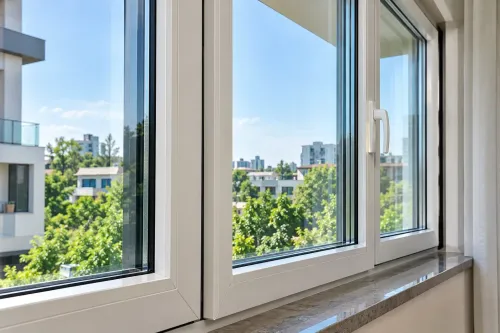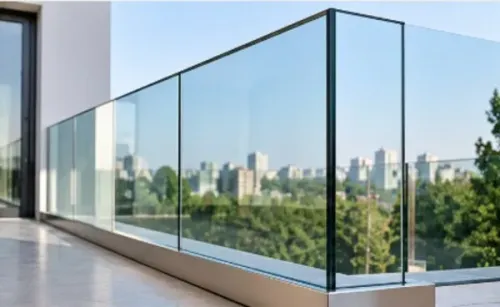
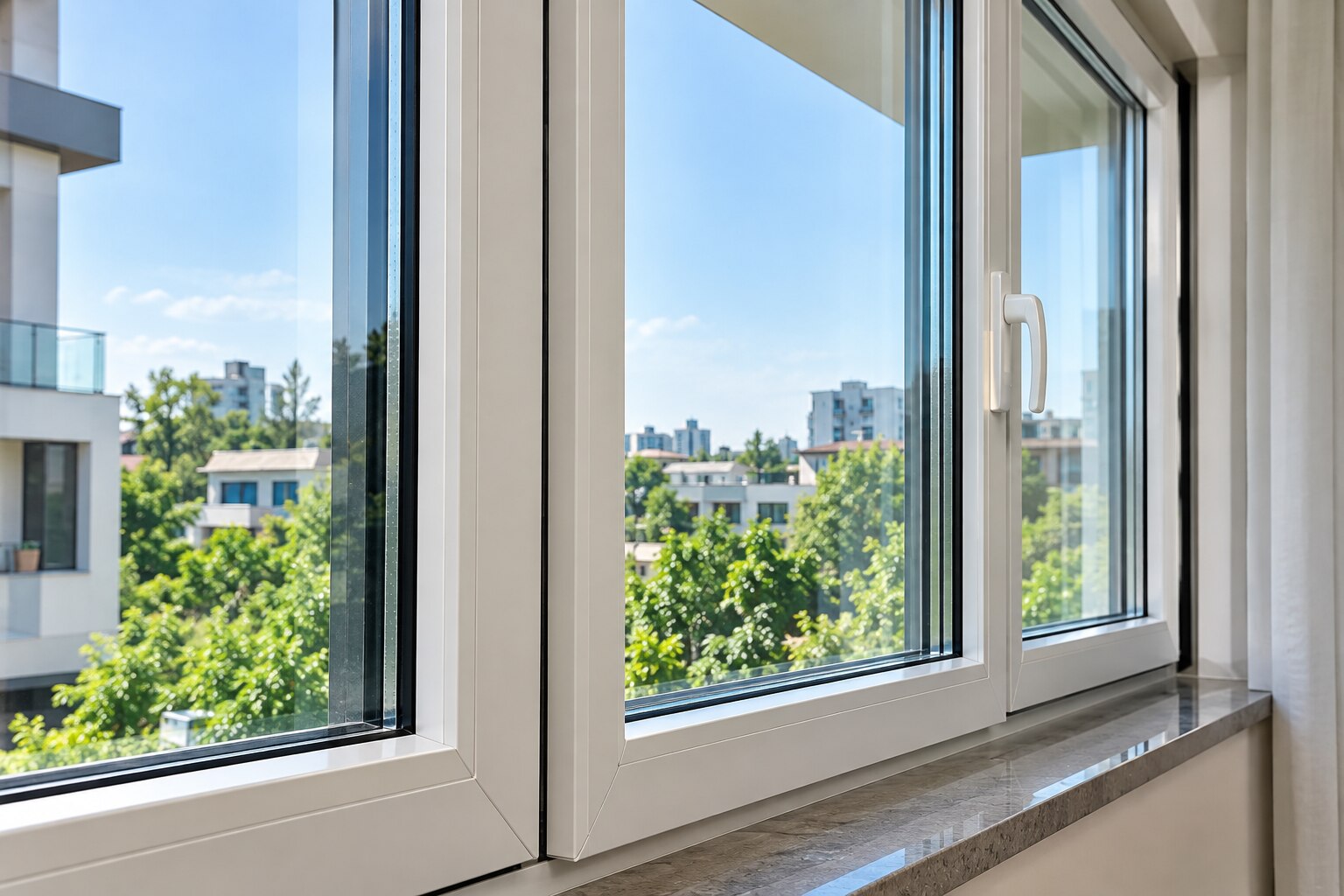
Toughened glass is suitable for many uPVC window installations in Chhattisgarh and Odisha, but the glass cannot be selected separately from the sash, bead, hardware, drainage and fixing system. By the end, you will be able to judge an existing frame, choose between single, laminated and double-glazed options, and identify when wind, heat, impact or security requirements demand a different specification.
Key takeaways
- Use toughened glass when impact safety and proper edge support are confirmed.
- Check sash rebate depth, glazing bead fit, hardware limits and drainage before replacement.
- Specify glass thickness, pane size, edge finish, heat treatment and IGU construction.
- Account for heat, monsoon moisture, dust and strong sun during frame and glass selection.
When is toughened glass suitable for a uPVC window?
Yes—toughened glass is suitable for uPVC windows in Chhattisgarh and Odisha when pane dimensions, edge support, frame strength, fixing and required safety performance are checked as one assembly. The state location alone does not make toughened glass unsuitable. A properly supported toughened IGU is a strong choice for ordinary impact-risk windows.
| Option | Practical meaning | Best fit |
|---|---|---|
| Ordinary annealed glass | Lowest cost, but breaks into sharp, dangerous shards | Low-risk locations only |
| Monolithic toughened glass | About four to five times stronger in bending; breaks into small particles | Residential rooms, bathrooms, offices and ordinary ground-floor windows |
| Laminated glass | Fragments remain attached to the interlayer after breakage | Windows beside doors, low-level glazing and higher-security openings |
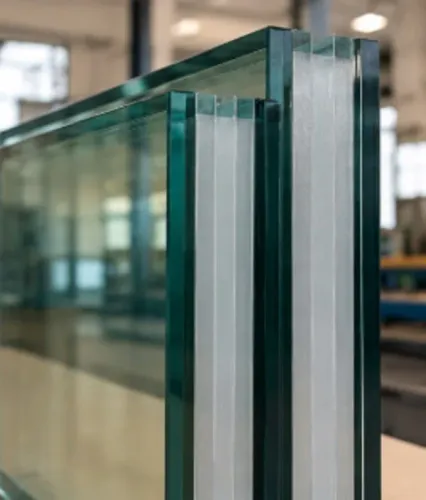
| DGU | Two panes with a sealed air or gas cavity; improves heat, noise and comfort | Offices and homes needing insulation; either pane can also be toughened |
For balcony openings, use laminated or toughened-laminated glass when the glazing guards against a fall. The same applies to overhead glazing, fall-protection locations and stronger security requirements. Toughened glass breaks into small, blunt-edged particles but does not retain the opening after failure.
In a ground-floor façade, monolithic toughened glass suits normal impact exposure; laminated construction is safer where people, property or security remain at risk. Bathrooms benefit from toughened glass, while the correct specification for uPVC windows in Chhattisgarh still depends on the sash and fixing design—not climate labels.
Can an existing uPVC sash accept a tougher glass pane?
Yes—an existing uPVC sash can accept a tougher pane only after a field check confirms that the complete assembly can carry it.
- Identify the profile system and sash series.
- Measure the clear opening and rebate width and depth.
- Remove and inspect the glazing bead; record its height and glazing bite.
- Check edge clearance and the positions of setting and location packers.
- Confirm the manufacturer’s maximum allowable glass weight, sash reinforcement, hinges, locks and drainage paths.
Do not choose thickness from window size alone. A narrow elongated pane, heavy IGU or large sash increases deflection and hardware load, causing edge damage, seal failure or difficult operation.
| Condition | Existing sash and bead | Required action |
|---|---|---|
| Correct rebate depth, bite, edge clearance and weight | Can remain | Fit specified toughened glass with packers |
| Thicker glass but sound sash | Only if compatible | Use a deeper bead after approval |
| Weight exceeds limit or hardware sags | No | Upgrade hinges and locks; reinforce the sash |
| Insufficient rebate or damaged profile | No | Replace the sash or complete window |
Common upvc window glass problems include blocked drainage, incorrect sill fall, missing end caps and failed perimeter seals. Toughened glass repairs none of them. Water entry needs frame or installation correction, while fogging between DGU panes requires replacement of the failed sealed unit, not tougher glass.
Ensure drainage remains open after glazing; replace the complete window when the profile cannot provide the required bite, reinforcement or drainage path.
How do Chhattisgarh and Odisha climate conditions change the specification?
Treat wind, heat and moisture as three separate design decisions. Toughened window glass is not automatically wind-rated: check design wind pressure under IS 875 (Part 3), with stricter review for coastal Odisha, cyclone-exposed sites, high-rise façades and exposed corners. Thickness, pane aspect ratio, edge support, frame anchorage and fixing determine wind performance.
| Single toughened pane | Lower initial complexity; limited thermal and acoustic control | Sheltered, ordinary-impact openings after wind and frame checks |
|---|---|---|
| DGU | Two panes and a sealed cavity improve heat control, cooling load, outside-noise reduction and indoor comfort | Hot rooms, air-conditioned buildings and noisy locations |
A low-emissivity or solar-control coating addresses solar performance; “toughened” describes strength and breakage behaviour, not visible transmission or heat gain. Specify the coating position and sealant compatibility. Partial shading from blinds, stickers, deep reveals or dark objects can create thermal stress, especially with dark frames or uneven sun exposure across the pane.
Condensation depends on indoor humidity, ventilation, spacer quality, glass temperature and thermal bridging through the frame. Fogging between DGU panes indicates perimeter-seal failure, not a need for tougher glass.
For coastal Odisha, provide clear sill drainage, unobstructed weep paths and corrosion-resistant hardware, fasteners and reinforcement. Salt exposure damages fittings and drainage components before the uPVC itself; poor water management then causes leakage and premature hardware failure.
What must be confirmed before toughened glass is fabricated?
1. Freeze the fabrication drawing before ordering: record final pane width and height, thickness, edge-polishing specification, hole positions, notches and every cut-out. Toughened glass cannot be cut, drilled, notched or edge-worked after heat treatment; any later alteration requires replacement.
2. Specify the safety-glazing class and impact-test requirement for each pane. Apply this check to glazing beside doors, low-level windows, stairwells, large panes and other human-impact locations. Do not accept “toughened window glass” as a complete specification when fragments must remain attached; choose laminated or toughened-laminated glass.
3. Ask whether heat-soak testing is required for critical or inaccessible glazing. It reduces, but does not eliminate, spontaneous-breakage risk from nickel-sulfide inclusions, and it does not replace laminated retention.
4. Inspect delivery before installation: check dimensions, labels, scratches, chips and edge damage. Reject damaged edges unless the approved design includes specific frame protection that prevents contact and stress concentration.
5. Confirm the installation drawing shows packer type and positions, glazing-block locations, minimum glass bite, perimeter sealant, drainage clearance and sash alignment. Keep packers clear of drainage paths and maintain the manufacturer’s bite; poor placement can stress the pane or distort the sash.
6. Test the finished window for smooth hardware operation, unobstructed drainage and a continuous seal. Installation errors cause seal failure, glass stress and shortened hinge, lock and roller life; toughening cannot correct them.
Which specification should you request for your project?
Choose a properly supported toughened IGU for many ordinary residential and office windows in inland Chhattisgarh when impact and fall-retention demands are normal. The phrase toughened glass for upvc windows orissa in chhattisgarh still requires an assembly decision, not a glass-only order.
| Option | Request | Best fit |
|---|---|---|
| Toughened IGU | Sized for the sash, with confirmed support and weight | Ordinary windows and offices |
| Laminated or toughened-laminated | Retained fragments and stronger security | Balconies, low-level glazing, windows beside doors and fall-risk locations |
| Coated DGU | Low-emissivity or solar-control coating | Heat gain, air-conditioning demand, noise or indoor comfort |
For coastal Odisha or cyclone-exposed properties, approve the same solution only after documented IS 875 (Part 3) wind calculations, anchorage, drainage, corrosion-resistant hardware and frame reinforcement. Glass toughness alone does not make a window wind-rated.
Ask the fabricator or window specialist to document:
- Pane build-up, final dimensions, safety classification and impact-test requirement
- Wind design basis, glass weight, bead, glazing-bite and packer arrangement
- Coating position, sealant compatibility and warranty scope
Jivan Industries can help coordinate these details with the uPVC profile, reinforcement, hardware and drainage, rather than specifying glass as an isolated product. If the supplier cannot provide this assembly record, do not approve fabrication.
Related products
 | SAFTEY Keeping full focus on the industry set quality standard, we are persistently offering an affordable spectrum of Toughened Glass to our clients in... View product → |
 | Laminated Glass is a safety and security glass that is made by sandwiching a laminated sheet between two pieces of glass. View product → |
Frequently asked questions
When is toughened glass suitable for a uPVC window?
It is suitable when the pane size, thickness, edge support, glazing method and uPVC frame strength work together. Use it for ordinary impact-risk windows after confirming the required safety performance.
Can an existing uPVC sash accept a tougher glass pane?
Not automatically. Check the sash rebate, glazing bead, gasket, hinges, rollers, drainage paths and hardware load rating before changing the glass. A heavier or thicker pane can prevent the sash from closing or overload its hardware.
How do Chhattisgarh and Odisha climate conditions change the specification?
Specify a frame and glazing system that handles high heat, strong solar exposure, monsoon humidity, wind-driven rain and dust. Confirm drainage, weather seals, solar-control needs and the suitability of the IGU seal for the site.
What must be confirmed before toughened glass is fabricated?
Confirm finished width and height, thickness, tolerance, glass make-up, edge finish, holes or cut-outs, visible-light requirements, safety standard, delivery orientation and whether the pane is single glass or an IGU. Toughened glass cannot be cut or drilled after heat treatment.
Which specification should you request for your project?
Request the glass make-up, thickness, pane dimensions, heat-treatment requirement, edgework, safety standard, spacer and seal details for an IGU, plus the uPVC profile and glazing method. Have the fabricator approve the complete glass-and-frame assembly before production.
Related product
 | A double unit comprises of two panes of glass. These two panes of glass are held apart by a spacer bar. View product → |
Keywords