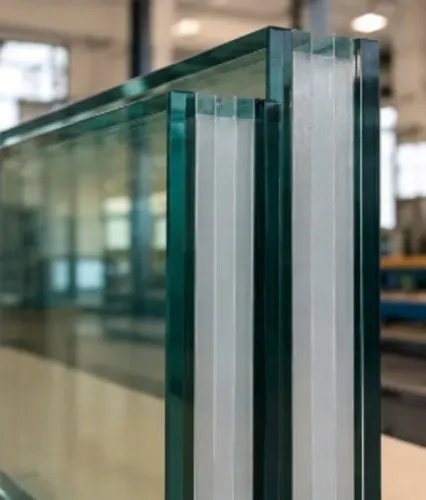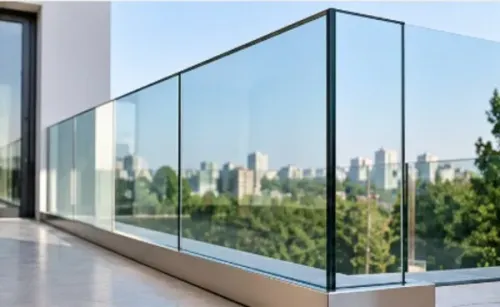

Figured-glass DGU windows need ordinary surface cleaning plus careful attention to textured valleys, drainage openings, edge seals and moisture behaviour. By following an exposure-based routine, you can remove dust, salt, cement and hard-water marks safely, distinguish condensation from seal failure, and know when a sealed unit needs professional replacement.
Key takeaways
- Identify every glass surface and coating before cleaning.
- Use clean water, a soft tool, and no abrasive pad on textured glass.
- Inspect seals, drainage, condensation, and hardware after monsoon season.
- Replace a failed sealed unit; do not attempt to reseal it on site.
Clean the figured face without scratching or filling its pattern
Identify the glass make-up before starting figured-glass DGU maintenance. Locate the textured, coated, laminated and plain surfaces. A low-emissivity coating may face the cavity and is not normally accessible; a surface-applied coating or film has separate cleaning instructions. Follow the actual make-up, not the generic label “decorative glass.”
- Flush loose dust from the pane with clean, cool to lukewarm water. Never apply hot water to a sun-heated pane; the temperature shock can crack glass.
- Apply dilute neutral detergent with a soft, non-abrasive sponge, microfiber cloth or soft brush that reaches the relief without grinding grit into it.
- Work from the top down, using light pressure. Rinse the valleys thoroughly so detergent and loosened grit do not dry inside the pattern.
- Remove water before deposits dry, using a clean squeegee or lint-free cloth. Keep the blade or cloth clean as you work.
Do not use razor blades, scrapers, abrasive pads, powdered cleaners, aggressive alkaline cleaners or rough paper towels. They can scratch raised projections, polish the pattern, leave drag marks, or damage coatings and sealants. Do not lean ladders, poles or suction equipment against the pane, and do not strike its edges.
For decorative insulated glass maintenance, confirm cleaner compatibility with the actual glass, coating, film, gaskets and sealants. If the surface history is unknown, test the product on a small inconspicuous area first. Stop if the pattern changes, the coating streaks or the test area feels rough.
Set an inspection schedule for dust, monsoon rain and coastal salt
Use an exposure-based schedule, not one interval for every site. For sheltered buildings, inspect DGU windows every three months and clean when dust, spotting or residue appears. Inspect monthly where glazing faces roads, quarries, industry, construction, cooling-tower drift, irrigation spray, the Odisha coast or wind-driven rain.
1. In Chhattisgarh, check more closely for dust, heat-baked deposits and construction residue. Coastal Odisha sites need monthly attention to salt-laden moisture, humidity and deposits; wind-driven monsoon rain can carry contaminants into figured-glass valleys.
2. Make a visual check after a dust storm, severe monsoon rain, nearby construction or welding. Look for fresh cement, mortar, plaster, paint splashes, alkaline wash-off and unusual salt marks.
3. Flush fresh residue with plenty of clean water before it dries. After loose material is removed, use a soft applicator and dilute neutral detergent. Never dry-scrape cement, use razor blades or apply an acidic descaler until the manufacturer confirms compatibility with the glass, coating, gaskets and sealants.
4. Treat hard-water spotting by repeated wetting and gentle wiping. Forceful scraping can polish or scratch the pattern and damage adjacent seals.
5. Record each inspection and cleaning date, product and dilution, photographs of existing marks, unusual salt deposits and new damage. This DGU window care record helps separate new contamination from permanent marks and supports a consistent plan to maintain dgu windows with figured glass orissa in chhattisgarh.
Check condensation, seals, drainage and operating hardware
Condensation location tells you whether you are seeing a room condition, exterior weather effect or a failed sealed unit. Room-side moisture usually follows high indoor humidity, poor air movement, curtains or blinds close to the pane, heater placement or a cold frame; exterior condensation can form when humid outdoor air cools on the outer surface.
1. Check the cavity before blaming the figured glass. Moisture or fogging between panes, persistent internal water marks, spacer corrosion, edge whitening and lasting loss of clarity indicate a cavity-integrity warning. This is a key dgu window care check.
2. Inspect the perimeter seal without cutting or probing it. Look for continuous adhesion, splits, bubbles, debonding, exposed spacer edges and visible water paths. Repeated surface caulking cannot recreate a factory-clean, desiccated cavity or restore the original primary seal.
3. Open the drainage route. Clear sill channels, weep holes and pressure-equalisation paths, and check that repainting or caulking has not covered them. Blocked drainage can send water toward the edge seal and imitate DGU failure.
4. Examine gaskets, glazing beads, frame joints, hinges, locks and drainage outlets for movement, gaps, corrosion or trapped dirt. Check that hardware closes without forcing the frame, since poor compression can admit water.
Persistent between-pane moisture normally calls for diagnosis and replacement of the failed sealed unit after the frame and drainage are checked. This distinction is central to figured glass dgu maintenance: clean surface dirt, correct humidity or drainage, but do not treat cavity fogging as a cleaning problem.
Know when cleaning ends and repair or replacement begins
Cleaning ends when the defect is in the glass, edge or sealed cavity. Surface dust, salt and hard-water marks belong to decorative insulated glass maintenance; cracks, edge chips, impact damage, broken safety glass and failed perimeter seals do not.
| Problem | What you may see | Correct response |
|---|---|---|
| Surface contamination | Dust, salt, cement film or water spots on the exposed face | Flush with clean water, then use dilute neutral detergent and a soft tool |
| Glass or edge damage | Crack, chip, impact mark or shattered safety glass | Isolate the opening and arrange replacement |
| Failed sealed unit | Fogging or water marks between panes, exposed spacer or seal debonding | Check frame drainage, then replace the sealed unit if the cavity has failed |
Keep people away from a damaged opening and do not cut, probe or repeatedly caulk its perimeter. For figured glass dgu maintenance, specify the original safety classification, glass thickness, unit make-up, coating location, spacer and gas specification where available, plus dimensions, edge details and a matching figured-glass appearance.
Ordinary annealed glass is not an equivalent substitute for a specified safety unit.
Do not apply solar-control film, opaque stickers, dark blinds or partial external shading to only part of the unit without a thermal-stress review. Uneven solar absorption can create damaging temperature differences, even in patterned or heat-treated glass.
The decision must follow the original specification, not visual similarity. Jivan Industries can help check the existing make-up and match a replacement to the opening, safety requirement and pattern. Ask for written confirmation of the glass, coating position, dimensions and edge details before ordering.
Related product
 | A double unit comprises of two panes of glass. These two panes of glass are held apart by a spacer bar. View product → |
Keep a maintenance and handover record for future service
A dated handover record prevents future cleaners, contractors and replacement suppliers from treating specialised glazing as generic glass. This is essential for dgu window care and decorative insulated glass maintenance.
1. Record the installation date, unit dimensions, glass make-up, figured-surface location, safety-glass status, coating or film location, spacer and gas specification where available, frame type and drainage arrangement. Photograph existing marks, pattern variations and edge details.
2. Log every inspection date, weather or contamination event, product used, dilution, test area, cleaning method and observed change. These entries distinguish fresh dust, coastal salt or hard-water spotting from permanent pattern damage.
3. After construction work, confirm that cement, plaster, paint, welding residue and protective tapes were removed without scraping. Check that weep holes remain open, gaskets and beads are seated, locks and hinges operate freely, and no ladder or equipment struck the pane or its edge.
4. Note where fogging appears and inspect the frame drainage before blaming the glass. A blocked sill channel or weep hole points to a drainage problem; moisture between panes points to a failed sealed unit.
Clean surface dirt safely. When condensation is on a surface, investigate drainage and indoor humidity. Obtain a glass professional’s diagnosis when moisture is between panes or the glass is cracked or chipped. Keep the record with the building’s maintenance file and give it to every incoming contractor.
Frequently asked questions
How do you clean the figured face of a DGU window?
Identify the textured face first, then remove loose dust with clean water and a soft, non-abrasive tool. Do not scrub across the pattern with abrasive pads or allow grit to fill its recesses.
How often should figured-glass DGUs be inspected in Chhattisgarh and Orissa?
Inspect after dusty periods, before and after monsoon rain, and more frequently near the coast where salt deposits collect. Record the date, condition, cleaning performed, and defects found.
What should you check besides the glass?
Check for cavity condensation, damaged seals, blocked drainage holes, corrosion, loose fasteners, stiff locks, damaged rollers, and gaps around the frame.
When does DGU cleaning become a repair or replacement issue?
Stop cleaning and request assessment when moisture or persistent fogging appears inside the sealed cavity, a seal has failed, the glass is cracked, drainage is blocked by damage, or hardware cannot secure the sash.
What should a DGU maintenance handover record contain?
Record the unit location, glass make-up, manufacturer or batch details, installation date, coating or film instructions, inspection dates, cleaning method, defects, photographs, and completed repairs.
Keywords