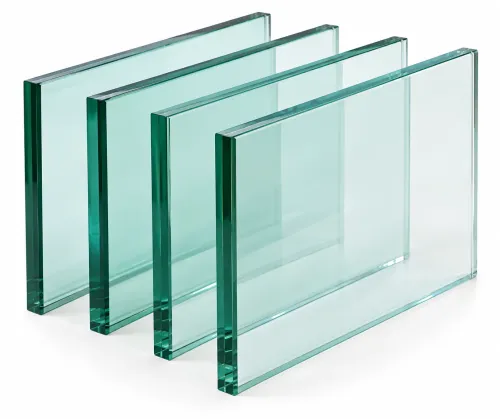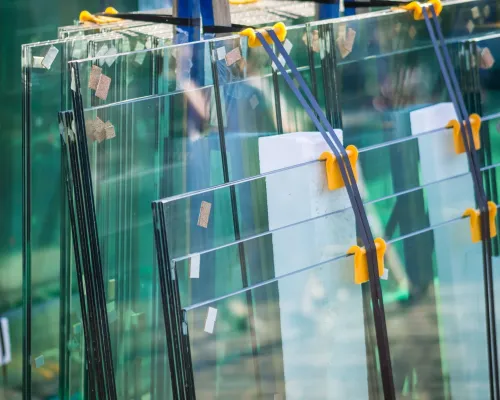
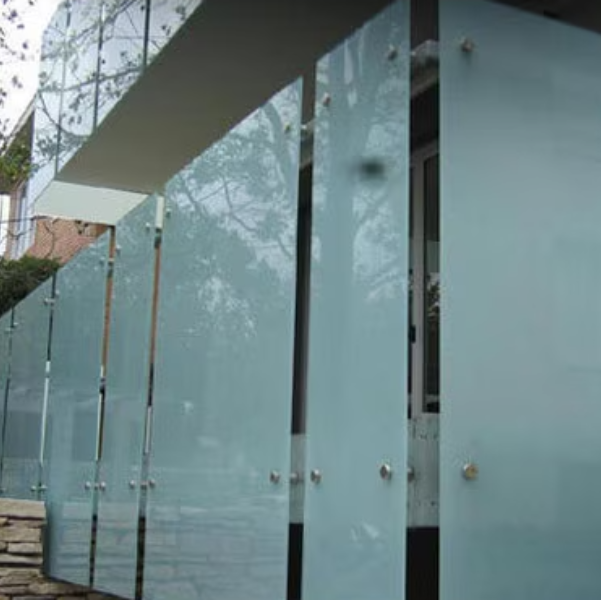
Standard clear glass naturally contains a slight greenish tint, which becomes more noticeable around exposed edges and as glass thickness increases. In applications where colour neutrality and high visual clarity matter, Extra Clear Glass in Chhattisgarh can offer a cleaner alternative.
Extra clear glass, often referred to as low-iron glass, is manufactured with reduced iron content. This decreases the characteristic green cast found in conventional clear glass and provides a more neutral appearance.
Where Does the Difference Matter Most?
Not every window or partition requires extra clear glass. Its value becomes more apparent where glass itself is an important visual component.
Typical applications include:
- Premium retail displays
- Jewellery and product showcases
- High-end interior partitions
- Display counters
- Decorative glass installations
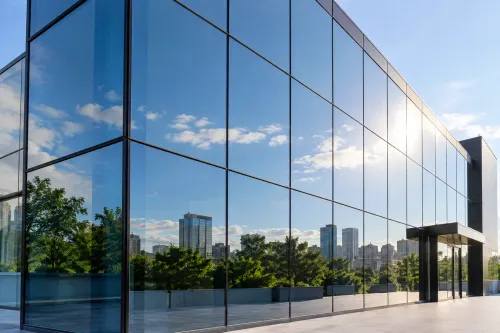
- Selected façades and entrances
- Glass furniture and shelves
- Applications involving light-coloured materials behind glass
Imagine a white product, light stone surface or carefully selected interior colour viewed through thick conventional glass. The slight green tint can influence how that material appears. Extra clear glass helps reduce this colour distortion.
Standard Clear or Extra Clear?
The choice depends on project priorities.
Standard clear glass is suitable for a very wide range of architectural applications and can be the practical choice where exceptional colour neutrality is unnecessary.
Extra clear glass becomes more valuable when transparency, edge appearance and accurate colour presentation are central to the design.
For commercial and premium residential projects across Chhattisgarh, this distinction can be particularly relevant in reception areas, showrooms, boutiques, display spaces and carefully designed interiors.
Check Processing Requirements Early
Extra clear glass may also require toughening, lamination, edge polishing, holes, cut-outs or other fabrication depending on the final application.
These requirements should be established before production. Dimensions and processing details become particularly important when the glass is being combined with specialised fittings or custom joinery.
Jivan Industries works with architectural glass requirements across Chhattisgarh and can support project teams that need glass selected according to both visual and functional criteria.
When evaluating extra clear glass, compare physical samples where possible, especially if the project involves thicker panels or exposed polished edges.
The decision should ultimately reflect what people will see through and around the glass. Where colour fidelity and premium transparency influence the overall design, extra clear glass can provide a noticeable visual advantage over conventional clear glazing.
Keywords