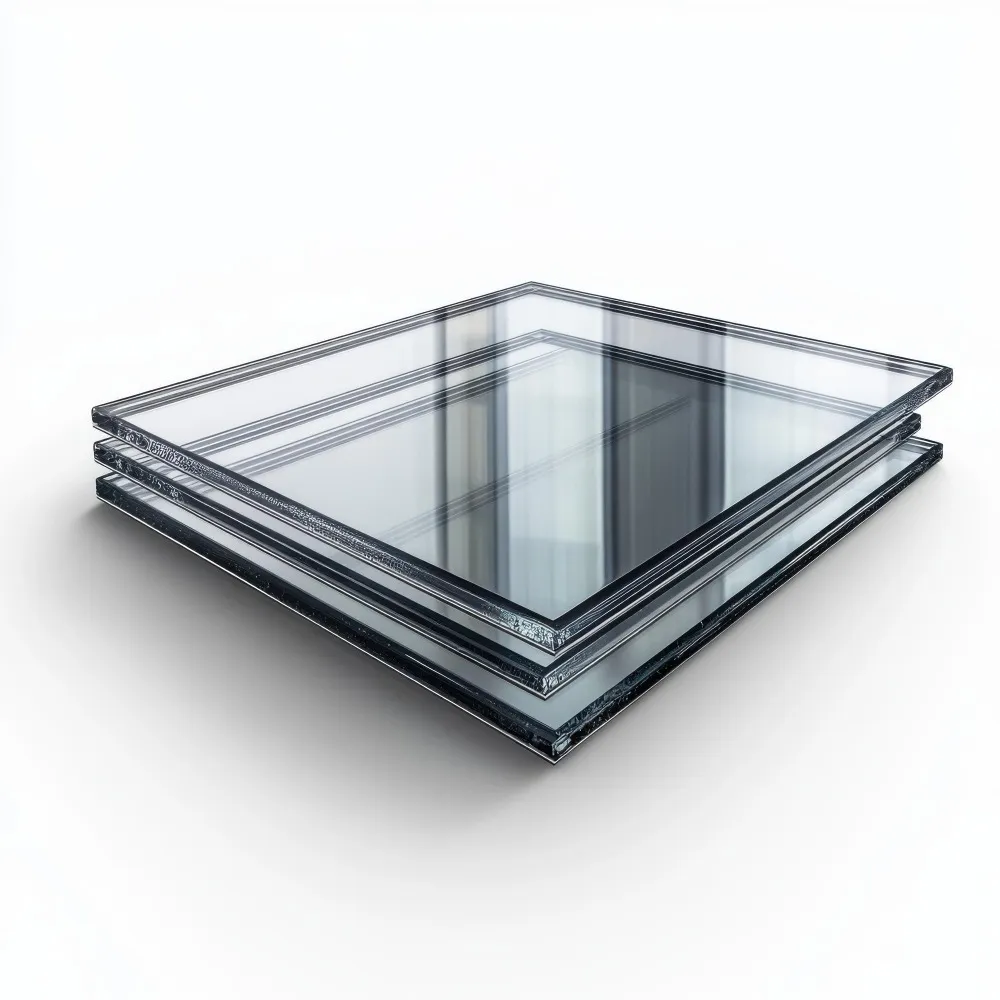
Safety glazing requirements differ considerably across a building. A window in a low-risk location does not face the same conditions as an overhead canopy, railing, entrance or large glazed panel. Understanding these differences helps explain why Laminated Glass in Chhattisgarh is considered for applications where post-breakage retention and additional safety characteristics are important.
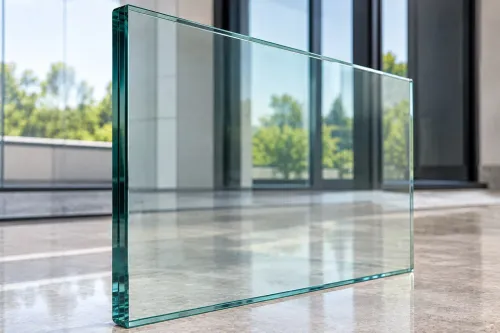
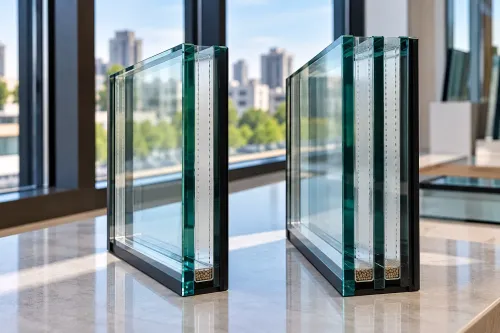
Laminated glass is produced by bonding two or more glass layers with an interlayer. If breakage occurs, the interlayer helps retain the glass fragments rather than allowing them to separate freely.
What Makes Laminated Glass Different?
The defining characteristic of laminated glass is not simply its thickness. It is the bonded construction.
Depending on the specification, this construction can provide benefits including:
- Retention of broken glass fragments
- Enhanced safety in appropriate applications
- Additional security options
- Reduction of ultraviolet transmission with suitable configurations
- Potential acoustic benefits
- Compatibility with different architectural designs
Laminated glass can also incorporate heat-treated glass where a project requires a combination of characteristics.
Applications Worth Considering
Architects, developers and contractors across Chhattisgarh may evaluate laminated glass for skylights, canopies, façades, doors, partitions, railings and other locations where retaining the glass after breakage is important.
The exact construction should be selected according to the application. A laminated panel intended for an internal partition may have very different requirements from glazing used in a structural or overhead location.
For this reason, simply asking for 'laminated glass' without specifying the end use can lead to an incomplete quotation or unsuitable selection.
Questions to Answer Before Ordering
Before finalising laminated glass, project teams should determine the required dimensions, thickness, interlayer specification, edge condition, holes or cut-outs, support system and installation environment.
Where relevant, applicable building codes and safety requirements should also guide the specification.
Jivan Industries serves architectural and construction requirements across Chhattisgarh with glass processing solutions suited to different project applications. Clear technical communication between the manufacturer, fabricator, architect and installer can make procurement considerably more efficient.
Laminated glass is especially valuable when the project requires glass to behave predictably after breakage. Its suitability, however, depends on correct configuration.
Instead of choosing glazing based solely on visual appearance or price per square foot, evaluate what the panel is expected to do throughout its service life. That approach helps create safer and more dependable architectural installations.
Keywords