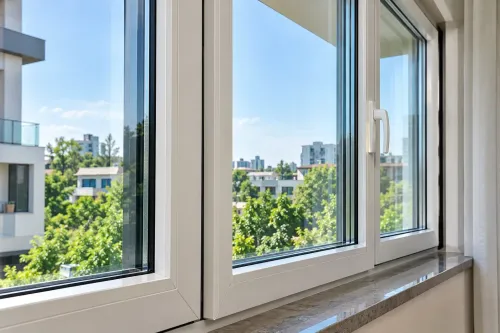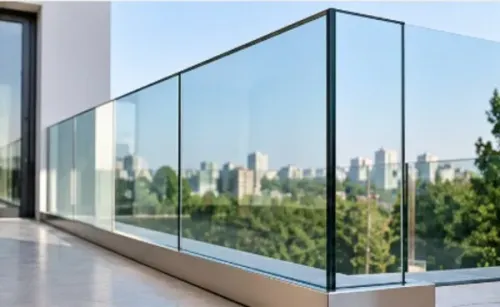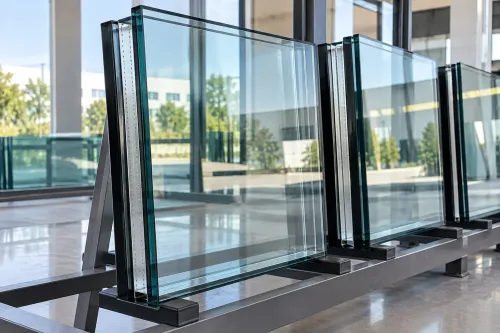

Modern buildings use glass for much more than windows. Entrance doors, office partitions, façades, shower enclosures, railings, shopfronts and interior features increasingly depend on glass to create open, bright and contemporary spaces. Wherever strength and safety are important, Toughened Glass in Chhattisgarh is commonly considered for residential, commercial and institutional projects.
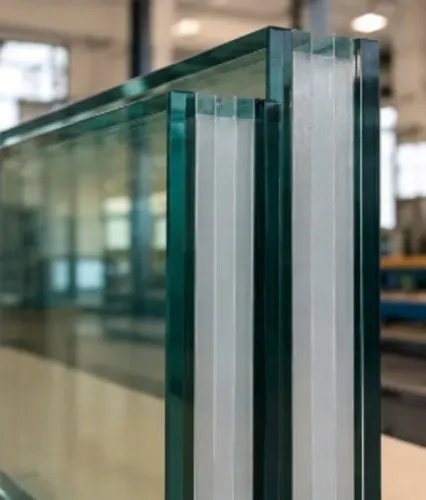
Toughened glass, also known as tempered glass, is manufactured by heating processed glass to a high temperature and then cooling it rapidly under controlled conditions. This treatment creates internal stresses that make the finished glass considerably stronger than ordinary annealed glass of comparable thickness.
Why Toughened Glass Is Used in Buildings
Ordinary glass may be adequate for certain low-risk applications, but areas exposed to frequent handling, impact, wind pressure or temperature changes require careful material selection.
Toughened glass offers several practical characteristics:
- Greater resistance to impact than ordinary annealed glass
- Improved ability to withstand thermal stress
- Safer breakage characteristics
- Suitability for frameless and contemporary installations
- Compatibility with numerous architectural applications
When toughened glass breaks, it generally fragments into relatively small pieces rather than the large, sharp shards associated with conventional annealed glass. This characteristic is an important reason for its use in safety-sensitive locations.
Where Can Toughened Glass Be Used?
Across Chhattisgarh, architects and contractors may specify toughened glass for projects ranging from individual homes to offices, retail developments and institutional buildings.
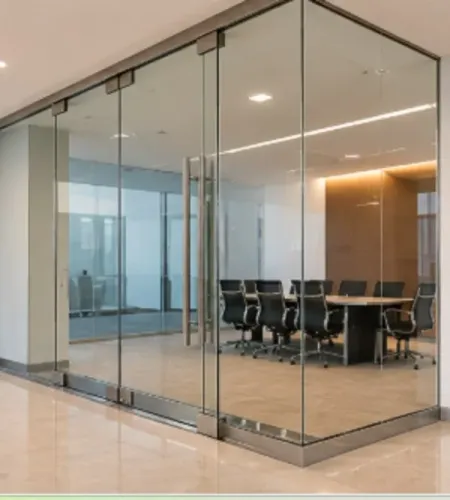
Common applications include glass doors, partitions, shower cubicles, stairway elements, façades, canopies, display areas and selected railing systems.
The correct thickness and glass configuration should always be determined according to the size of the panel, support system, expected load and intended application. Toughening alone does not mean that every glass specification is appropriate for every installation.
Processing Must Be Planned Before Toughening
An important practical consideration is that cutting, drilling, edge finishing and most fabrication operations need to be completed before the glass enters the toughening process.
Architects and fabricators should therefore finalise dimensions, hole locations, cut-outs and edge requirements carefully before manufacturing begins. Accurate drawings and measurements can prevent unnecessary remanufacturing and delays at the installation stage.
Jivan Industries supports architectural glass requirements for customers across Chhattisgarh, where project specifications may vary considerably between residential, commercial and industrial developments.
For buyers, the right approach is to select toughened glass according to the actual application rather than thickness or appearance alone. Panel dimensions, fittings, exposure, structural requirements and applicable safety standards all matter.
A well-planned specification allows toughened glass to deliver the combination of transparency, durability and safety that modern architecture demands.
Keywords